Designing Distruption: the Russian State and Artists (at War)
Designing Distruption: the Russian State and Artists (at War)
sam fago * AH 345 * final project
sam fago * AH 345 * final project
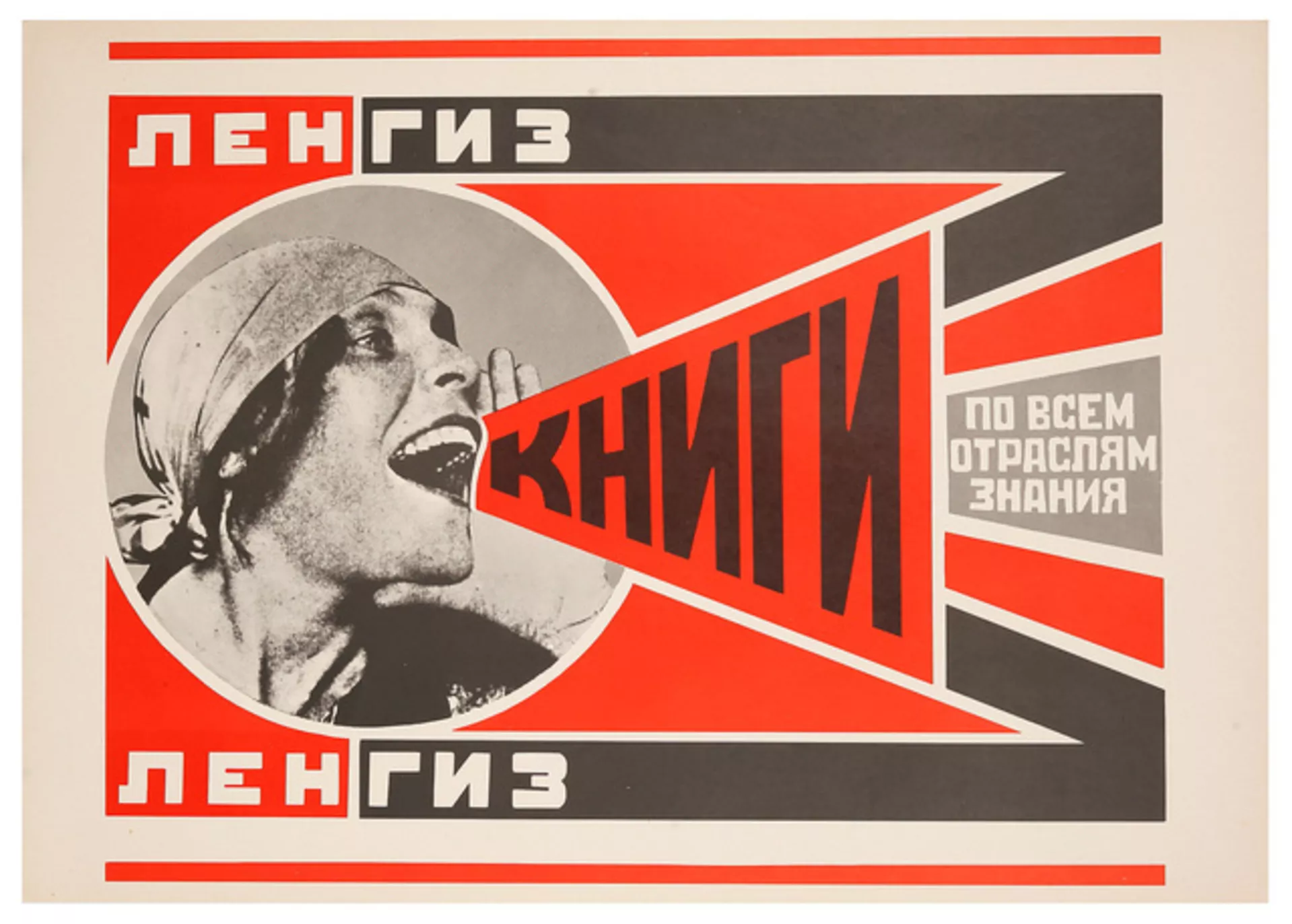
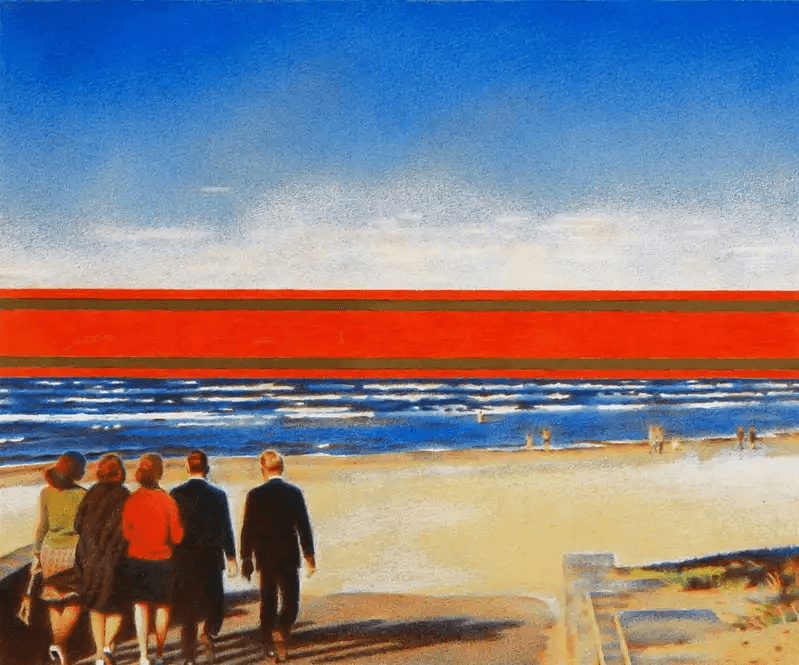
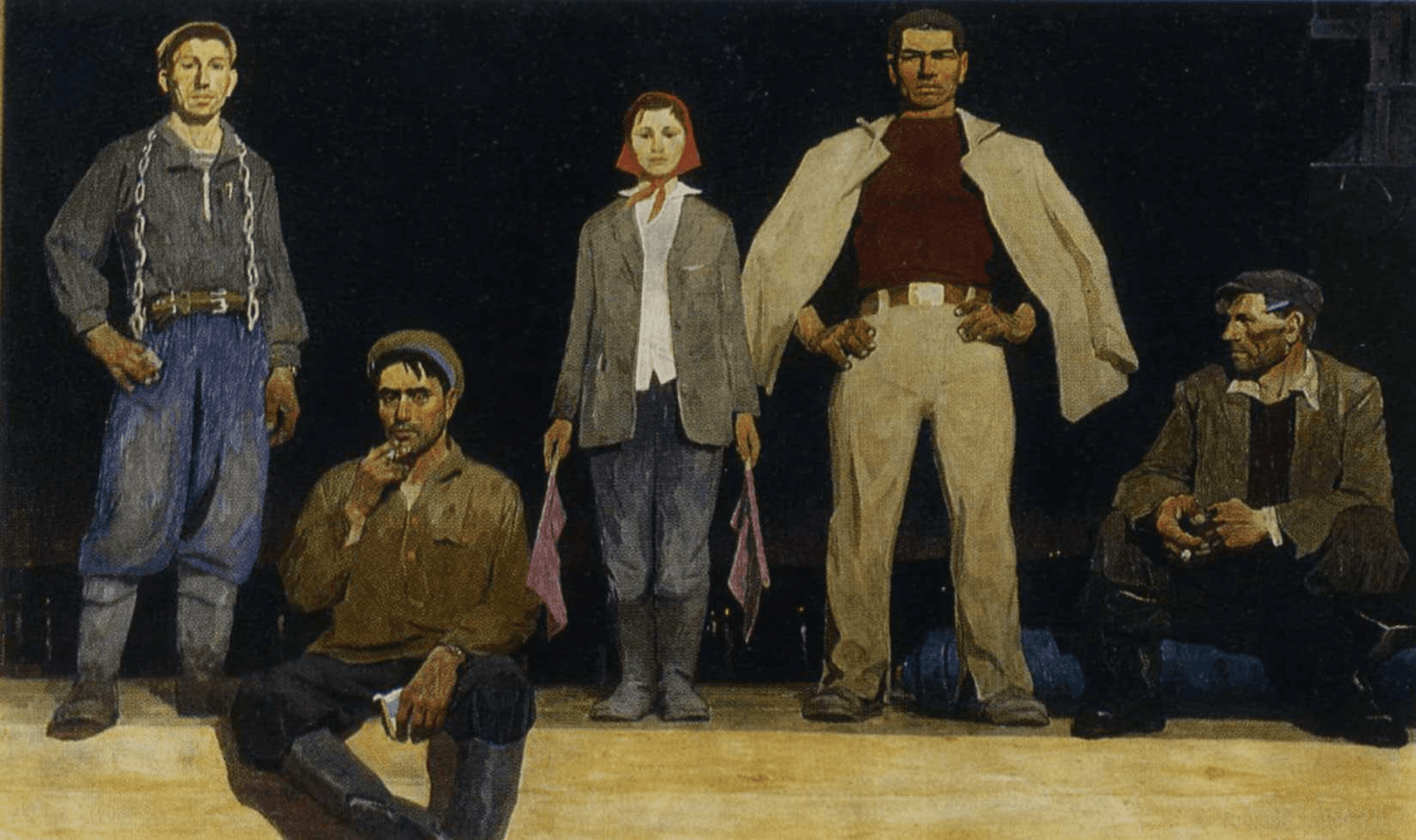
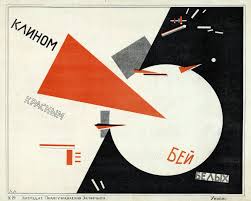
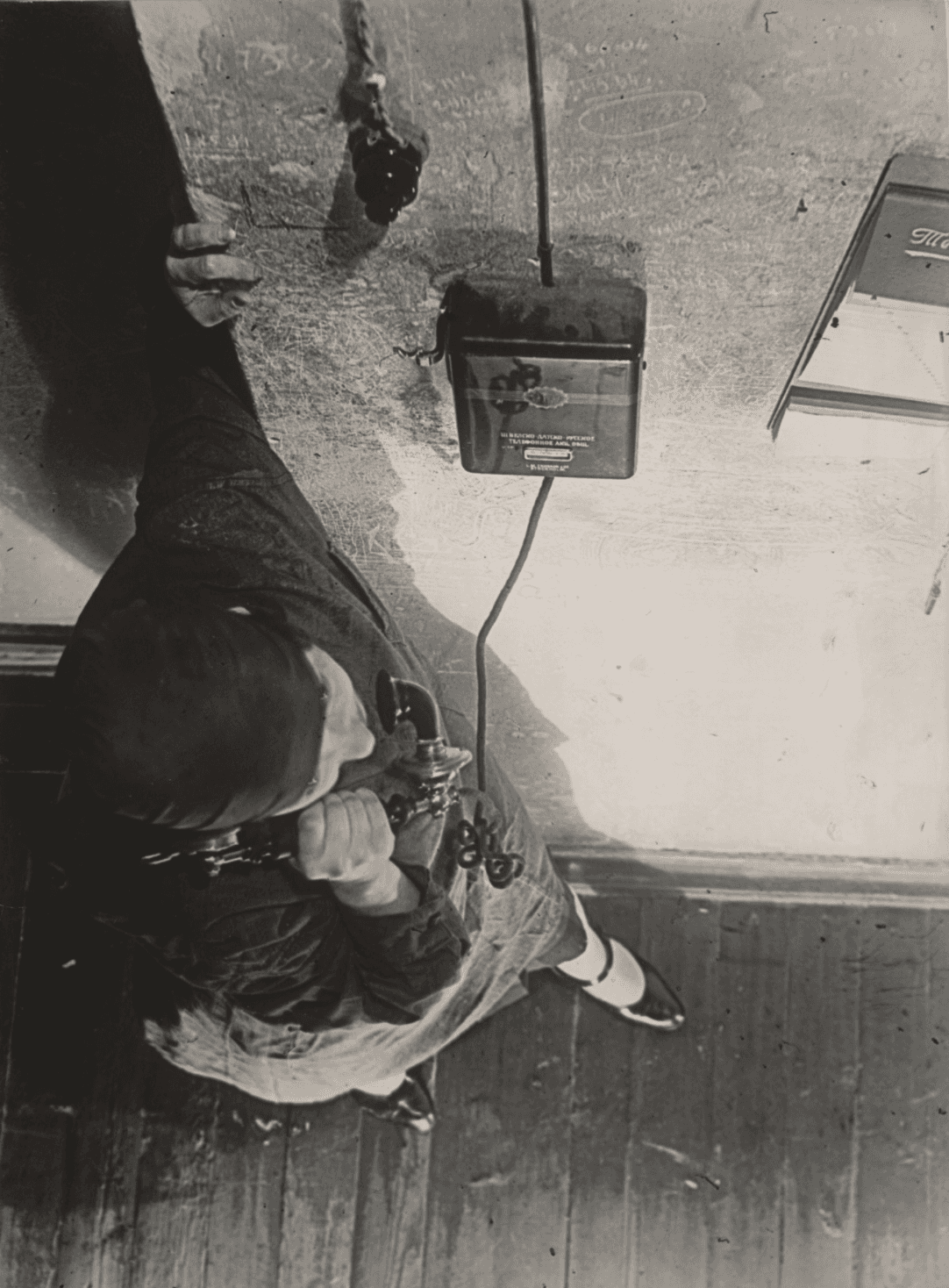
When viewed from a lens circa the Russian Civil War, Russian Art was greatly influenced by political movements, both directly by governmental influences and indirectly through cultural shifts and social movements. The artistic canon shifted, from the beginning of this period, which focused on Modernism, to Constructivism, and then Socialist Realism. The motivations and origins of the creation of art during the phases of Global Conflict in the 20th Century parallel government and social influences. Dividing the Exhibition into two halves showcases this shift: the immediate reaction artists had to the shift of power and government in Russia during the already volatile time of World War I, and the more mature phase of creation, which combined and transformed many of these techniques to send complex messages to the Russian Government and general population during the Cold War. By comparing earlier pop-simple designs that aim to quickly communicate bold messages to later, technically masterful works like Builders of Bratsk and Red Horizon, it is clear the influence of the rise of strict regimes that focus on guiding and shaping their people on the art from that time.
When viewed from a lens circa the Russian Civil War, Russian Art was greatly influenced by political movements, both directly by governmental influences and indirectly through cultural shifts and social movements. The artistic canon shifted, from the beginning of this period, which focused on Modernism, to Constructivism, and then Socialist Realism. The motivations and origins of the creation of art during the phases of Global Conflict in the 20th Century parallel government and social influences. Dividing the Exhibition into two halves showcases this shift: the immediate reaction artists had to the shift of power and government in Russia during the already volatile time of World War I, and the more mature phase of creation, which combined and transformed many of these techniques to send complex messages to the Russian Government and general population during the Cold War. By comparing earlier pop-simple designs that aim to quickly communicate bold messages to later, technically masterful works like Builders of Bratsk and Red Horizon, it is clear the influence of the rise of strict regimes that focus on guiding and shaping their people on the art from that time.
Figures